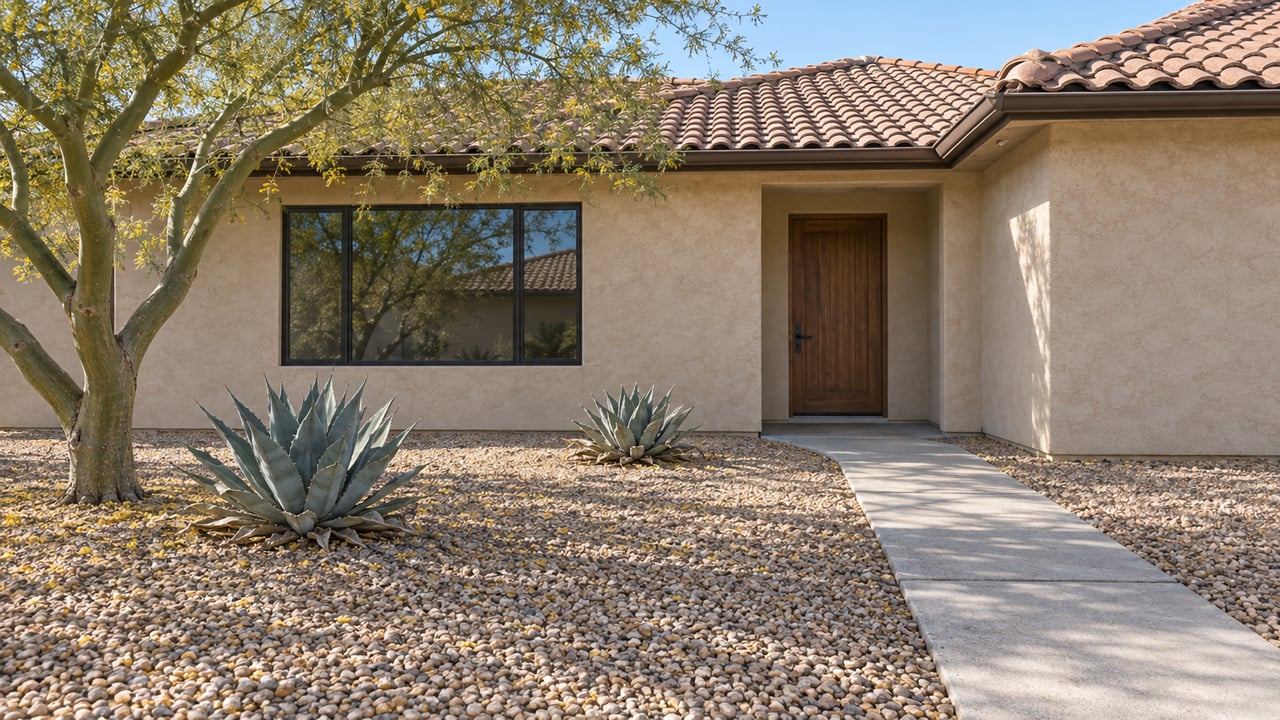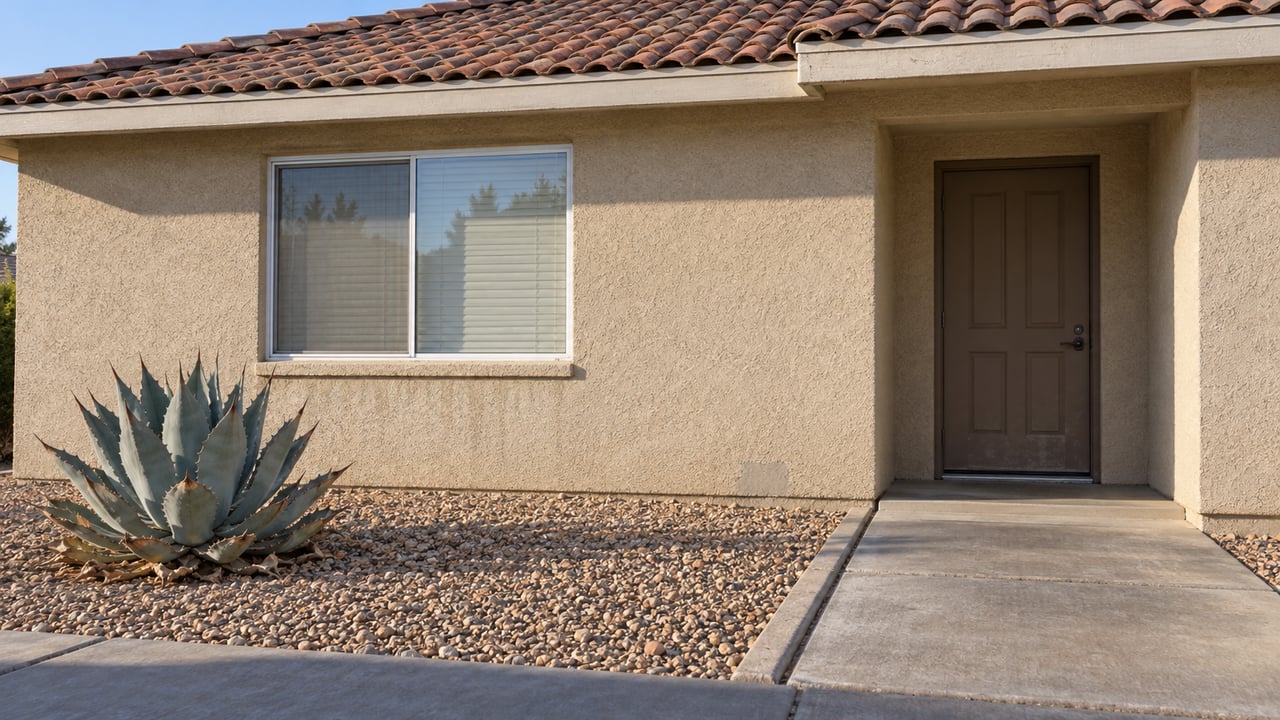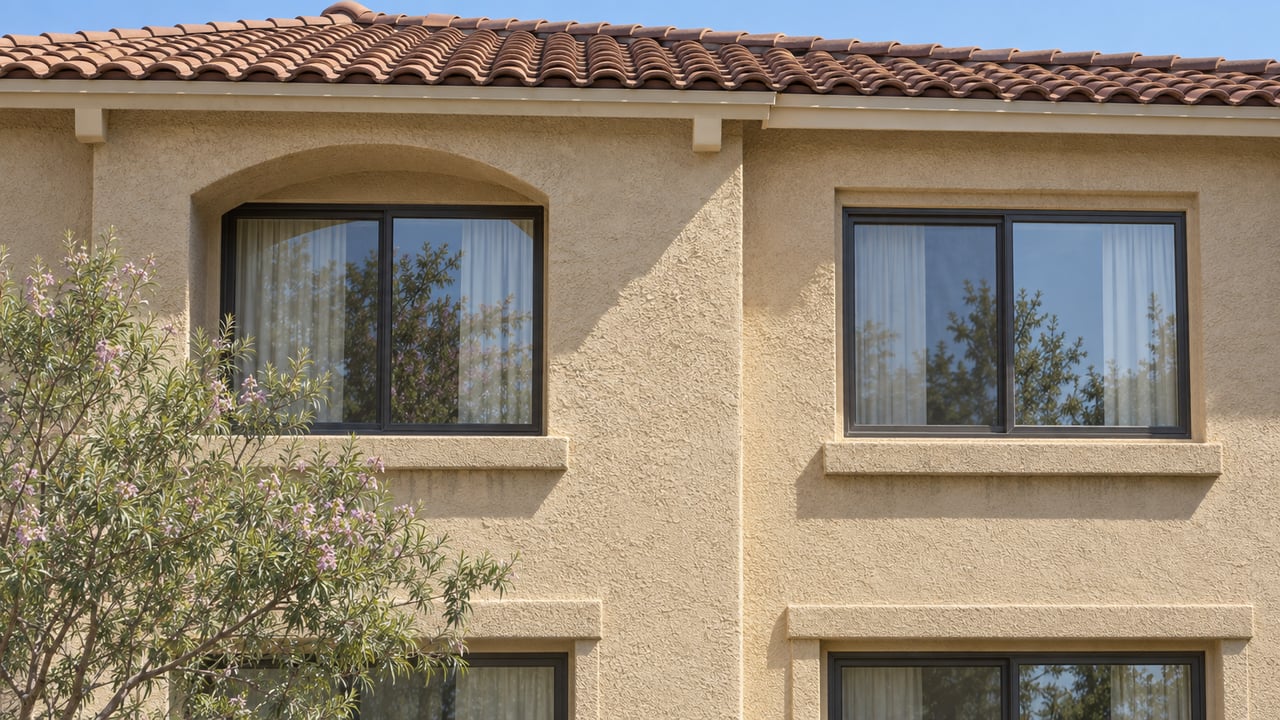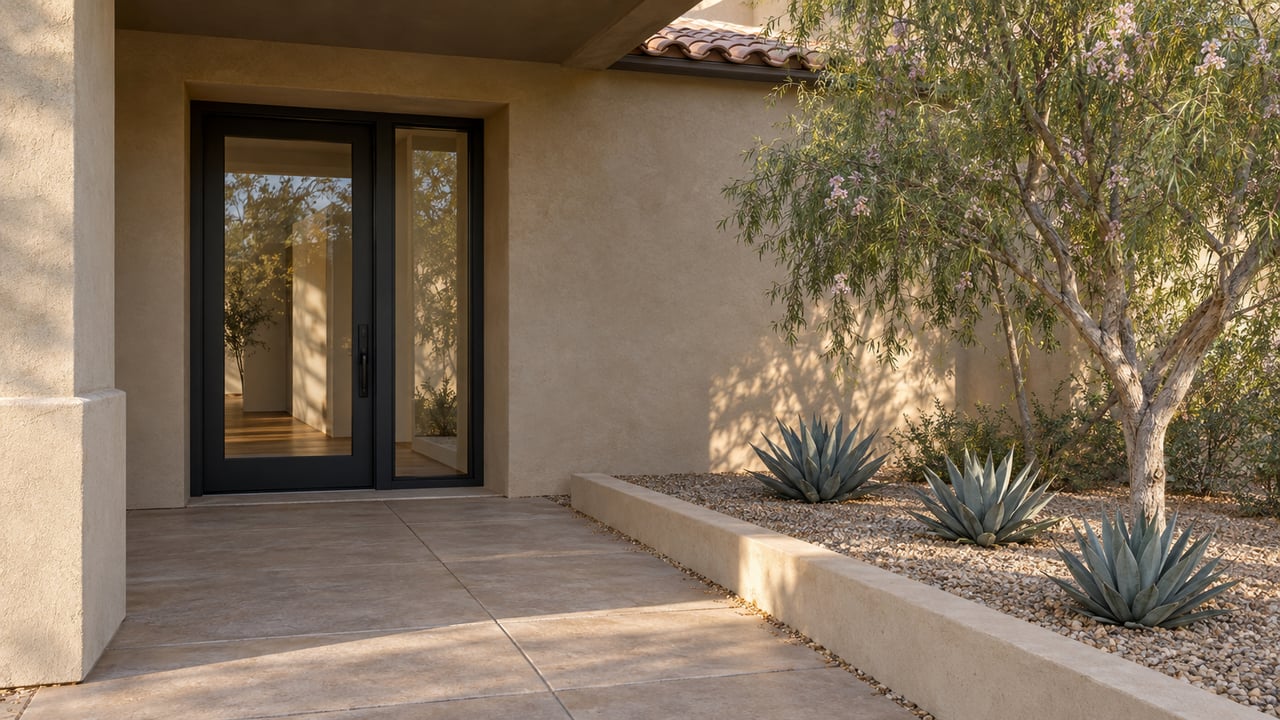
If you are deciding between a Summerlin resale home and a new build, the answer is not as simple as “new is better” or “resale is cheaper.” In Summerlin, both options can make sense depending on your budget, move-in timing, and how much value you place on condition, features, and negotiating room. The good news is that you can compare them clearly once you know what to look for. Let’s dive in.
Why Summerlin comparisons are unique
Summerlin is a large master-planned community on the west side of Las Vegas that spans about 22,500 acres. It includes more than 300 parks and over 200 miles of trails, with housing options spread across many villages and districts.
That matters because Summerlin is not one single housing market. You are often comparing different product types, village locations, and levels of finish all within the same master-planned area. A condo, townhome, and detached home may all fall under “Summerlin,” but they can offer very different value.
Summerlin has both resale and new-home choices
Summerlin’s resale market and new-home market are both active right now. Current builders in the area include KB Home, Lennar, Pulte Homes, Richmond American Homes, SHAWOOD, Taylor Morrison, Toll Brothers, Tri Pointe Homes, and Woodside Homes.
Most active new-home selling is concentrated in places like Grand Park, Kestrel, Kestrel Commons, La Madre Peaks, Redpoint Square, Summerlin Centre, and The Peaks. On the resale side, inventory can show up across older and more established parts of the community, often with a wider mix of lot sizes, floorplans, and property ages.
Compare price by home type
One of the biggest mistakes buyers make is comparing Summerlin resale homes and new builds by headline price alone. A better approach is to compare homes by village, square footage, property type, included features, and overall condition.
Over the last three months, Summerlin resale homes had a median sale price of about $697,000 and a median price of $321 per square foot. Recent resale sales ranged from a 732-square-foot condo at $215,000 to a 3,192-square-foot home at $1.435 million.
New construction also covers a wide range. Current examples include townhomes in Grand Park starting at $409,990 on one quick-move-in page and $530,990 on the Landings collection page, Cordillera townhomes in Redpoint Square starting in the high $500s, Highridge at Raven Crest from $634,995, Lennar’s Heritage from the mid-$400,000s, and Ascension quick-move-in homes above $2 million.
The takeaway is simple: some new Summerlin homes overlap with resale pricing, and some may even come in below parts of the resale market. That is why you should compare what you are actually getting, not just whether the home is new or not.
What resale may offer you
Resale homes can offer more variety because they come from many years of development across Summerlin. You may find different architectural styles, lot sizes, mature landscaping, and homes in built-out sections where the surroundings are already established.
A resale home is also already complete. If you need a place soon, that can be a major advantage because you are not waiting on construction timelines or future completion dates.
Another benefit is the chance to evaluate the exact property as it exists today. You can see the layout, the condition, the natural light, the outdoor space, and any upgrades or wear before you decide.
What new builds may offer you
New construction appeals to buyers who want a fresh home, modern finishes, and builder-backed features. In Summerlin, builders are offering a range of floorplans and options depending on community.
For example, Caldwell Park includes multiple floorplans and both attached and single-family choices. Cordillera offers options like rooftop decks and attached two-car garages. Lennar promotes its Everything’s Included package, and KB Home advertises a 10-year limited warranty on its Summerlin product.
If you want less concern about older finishes or near-term replacement costs, a new home may feel simpler. You are often comparing cleaner condition, newer systems, and more current design choices right from the start.
Timing matters more than many buyers expect
Your move-in schedule can quickly narrow your options. If you need a finished home immediately, resale is usually the most direct path because the home is already built.
At the same time, Summerlin’s quick-move-in inventory gives buyers another route. Official Summerlin quick-move-in pages show dozens of homes that are ready now, will be completed within a few months, or are expected by year-end.
That creates a useful middle ground. A quick-move-in home can function like a hybrid option, giving you the feel of new construction without the longer wait tied to a full from-scratch build.
How to think about condition and updates
Condition is one of the biggest real-world differences between resale and new construction. A resale home may include upgrades, custom touches, or a more finished outdoor space, but it may also bring older materials or systems.
A new home usually offers a cleaner baseline. Fixtures, flooring, appliances, and major systems are new, and some communities package features in ways that make budgeting easier upfront.
The right question is not “Which is better?” The better question is: How much work, uncertainty, or future updating are you comfortable taking on after closing?
Negotiating power is not the same
Buyers often assume resale and new homes negotiate the same way, but they usually do not. In Summerlin’s resale market, homes sold about 2.7% below list on average over the last three months, and some recent sales closed 3% to 10% under list.
That suggests resale may offer more direct price negotiation in some cases. If a home has been on the market longer, there may be more room to discuss price, terms, or credits.
With new construction, leverage often shows up differently. Instead of broad price cuts, builders may use incentives such as posted quick-move-in pricing or financing-related offers. Summerlin’s quick-move-in page specifically notes a Pulte home with an incentive buydown rate tied to the builder’s in-house lender.
So when you compare options, do not stop at sticker price. Ask what the seller or builder is actually willing to offer and what conditions apply.
Use an apples-to-apples checklist
If you want to make a smart Summerlin comparison, keep your evaluation focused on the same core factors for every home:
- Base price
- Square footage
- Property type
- Village or district location
- Included features
- Condition
- Move-in timeline
- Warranty coverage
- Available incentives
- Likely negotiation room
This approach helps you avoid a misleading comparison. A lower list price on one home may not be the better value if another home includes more features, a better move-in timeline, or stronger incentive terms.
A simple way to compare two homes
When you narrow your search, try creating a side-by-side worksheet. Keep it practical and focused on your actual monthly cost, your move timeline, and the amount of work each home may need after closing.
| Factor | Resale Home | New Build |
|---|---|---|
| Purchase price | May have room to negotiate below list | Often more fixed, with incentives instead |
| Condition | Varies by age and upkeep | Brand-new finishes and systems |
| Move-in timing | Finished now | Ready now, a few months out, or later |
| Features | Depends on prior upgrades | Often tied to builder packages or plan options |
| Warranty | Depends on home and coverage available | Builder warranty may apply |
| Setting | Often in mature, built-out areas | Often in active new-home districts |
This kind of side-by-side comparison can make your decision much clearer. It also keeps emotion from taking over when two homes appeal to you for different reasons.
Which option fits your goals?
If your top priorities are immediate availability, a mature setting, and possible room to negotiate on price, a Summerlin resale home may be the better fit. It can also be a good choice if you want to judge the exact home and surroundings before making an offer.
If your priorities are newer finishes, builder warranties, plan options, and quick-move-in opportunities with incentive potential, a new build may make more sense. That can be especially true if you want a lower-maintenance starting point.
In many cases, the best answer is not about choosing one category over the other. It is about choosing the home that gives you the strongest mix of price, condition, location, and timing for your needs.
If you want help comparing Summerlin resale homes and new builds with a clear eye on value, timing, and negotiation strategy, Flat Fee Pros - Las Vegas can help you sort through the options with practical local guidance.
FAQs
How do Summerlin resale home prices compare with new builds?
- Summerlin prices overlap more than many buyers expect. Recent resale sales ranged from $215,000 to $1.435 million, while current new construction runs from the low $400,000s to above $2 million depending on product type and location.
Are Summerlin new builds always more expensive than resale homes?
- No. Some new Summerlin townhomes are priced in ranges that overlap with or undercut parts of the resale market, so you need to compare by village, size, and included features.
Which is faster in Summerlin: buying resale or buying new construction?
- Resale is usually the faster path because the home is already complete, but Summerlin also has quick-move-in new homes that are ready now or expected within a few months.
Is there more negotiation room with Summerlin resale homes?
- Often, yes. Recent Summerlin resale data shows homes selling about 2.7% below list on average, while new-build leverage more often comes through incentives such as rate buydowns or other builder offers.
What should you compare besides price in Summerlin homes?
- Focus on property type, square footage, village location, condition, included features, warranty coverage, move-in timing, and any incentives tied to the home.
Are quick-move-in homes in Summerlin a good middle option?
- They can be. A quick-move-in home may give you a near-term closing timeline while still offering the benefits of new construction finishes and builder inventory.