Thinking about moving to Las Vegas? You probably already know about the bright lights and big tourism economy, but everyday life here feels a lot more practical, suburban, and routine than many first-time relocators expect. If you want a clearer picture of what daily living actually looks like, this guide will walk you through the climate, commuting patterns, outdoor lifestyle, and how different parts of the valley shape your experience. Let’s dive in.
Las Vegas daily life starts with the climate
One of the biggest adjustments in Las Vegas is learning how much the weather shapes your routine. According to NOAA climate normals for the Las Vegas valley, the annual mean temperature is 70.1°F, with July averaging 104.5°F for highs and January averaging 56.9°F for highs. Annual precipitation is just 4.18 inches, and average annual snowfall is only 0.2 inches.
That means your day-to-day habits often shift around the heat rather than around rain or snow. In summer, errands, walks, and outdoor plans usually feel more comfortable early in the morning or later in the evening. Air conditioning is not a luxury here. It is a basic part of daily comfort.
Summer heat changes your schedule
Las Vegas summers are intense, and locals tend to plan around them. If you like being outside, you may find yourself heading out at sunrise, saving yard work for early hours, and keeping afternoon plans indoors for part of the year.
This rhythm also shows up in water use. The Southern Nevada Water Authority says summer landscape watering is prohibited from 11 a.m. to 7 p.m. and on Sundays. That rule reflects how seriously the region treats water conservation and how closely everyday homeownership connects to desert living.
Water-conscious living is part of the culture
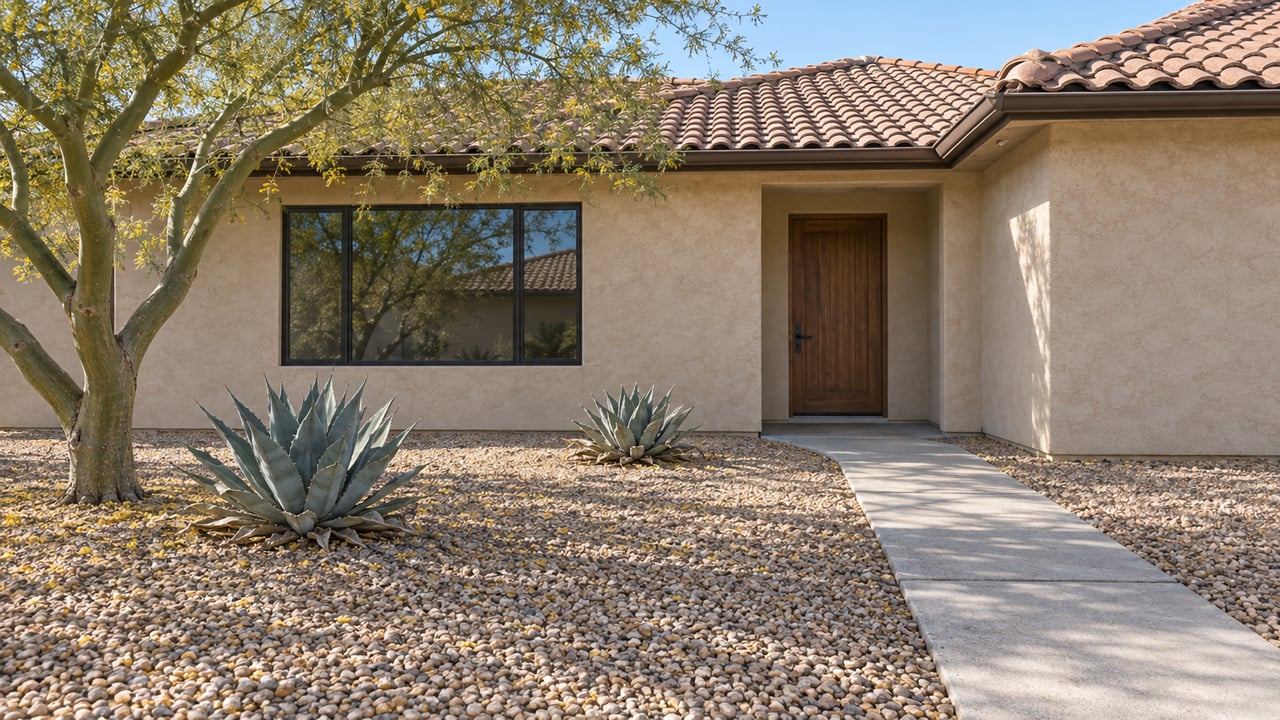
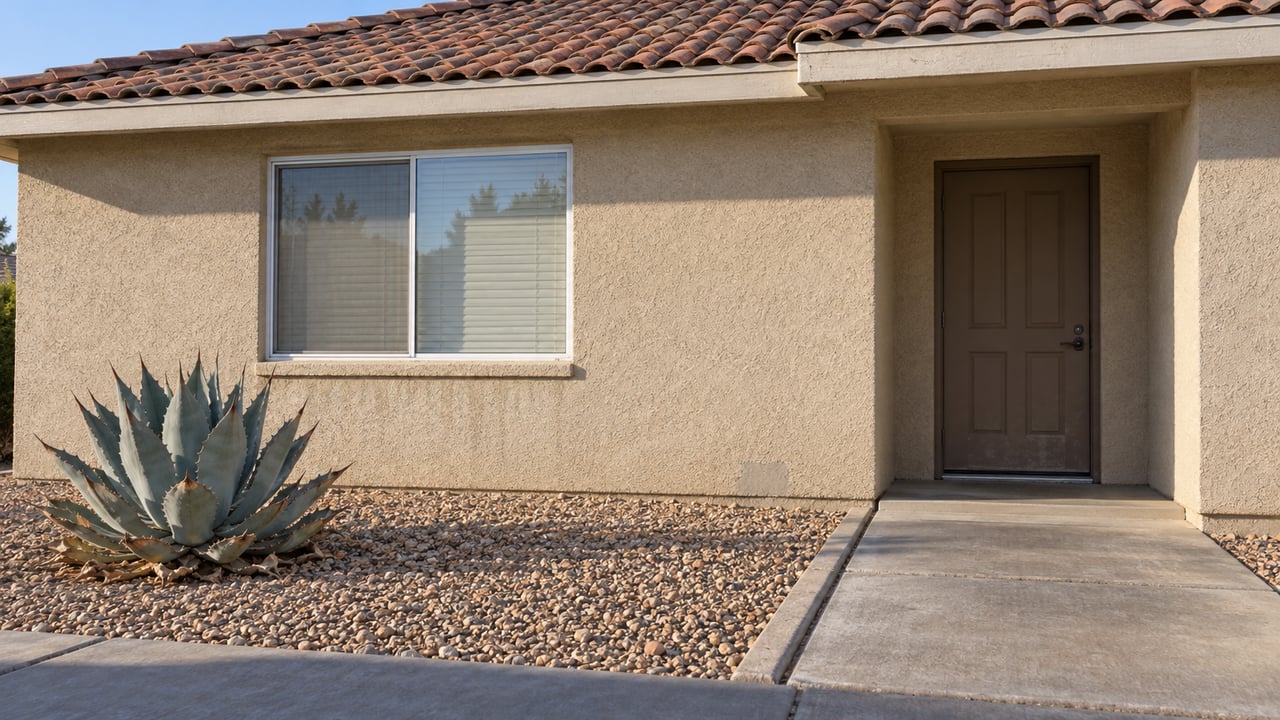
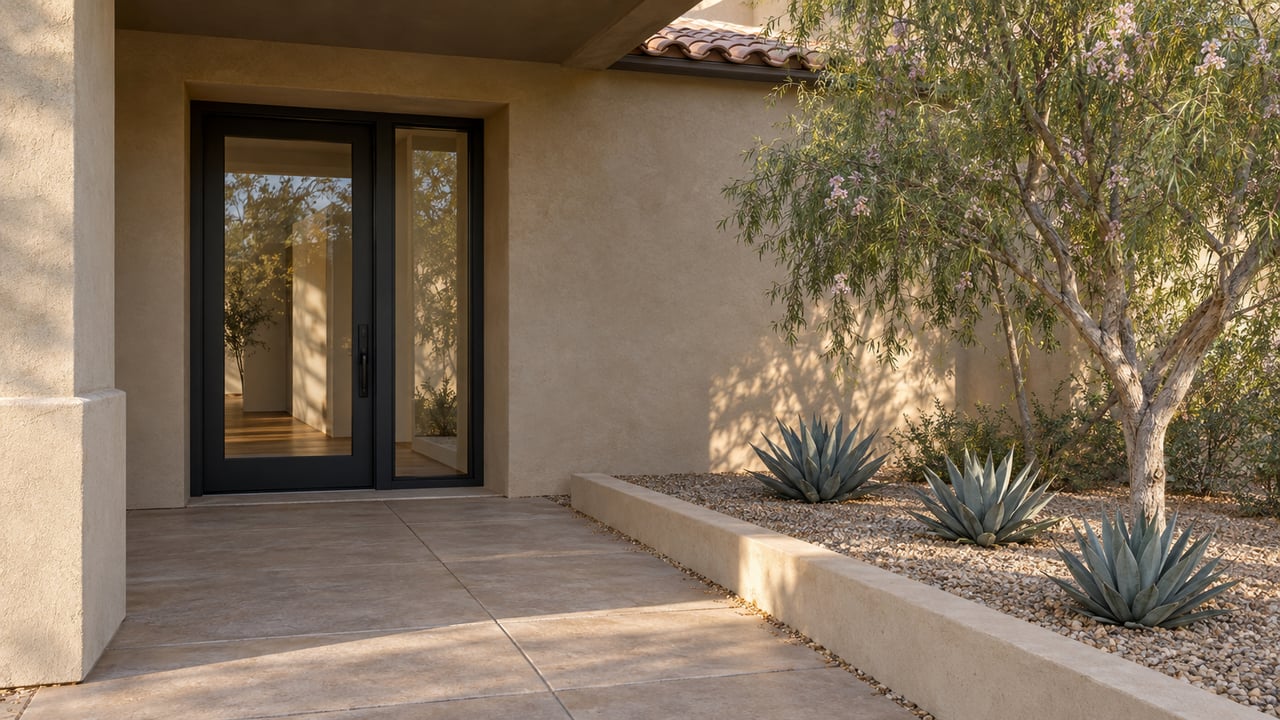
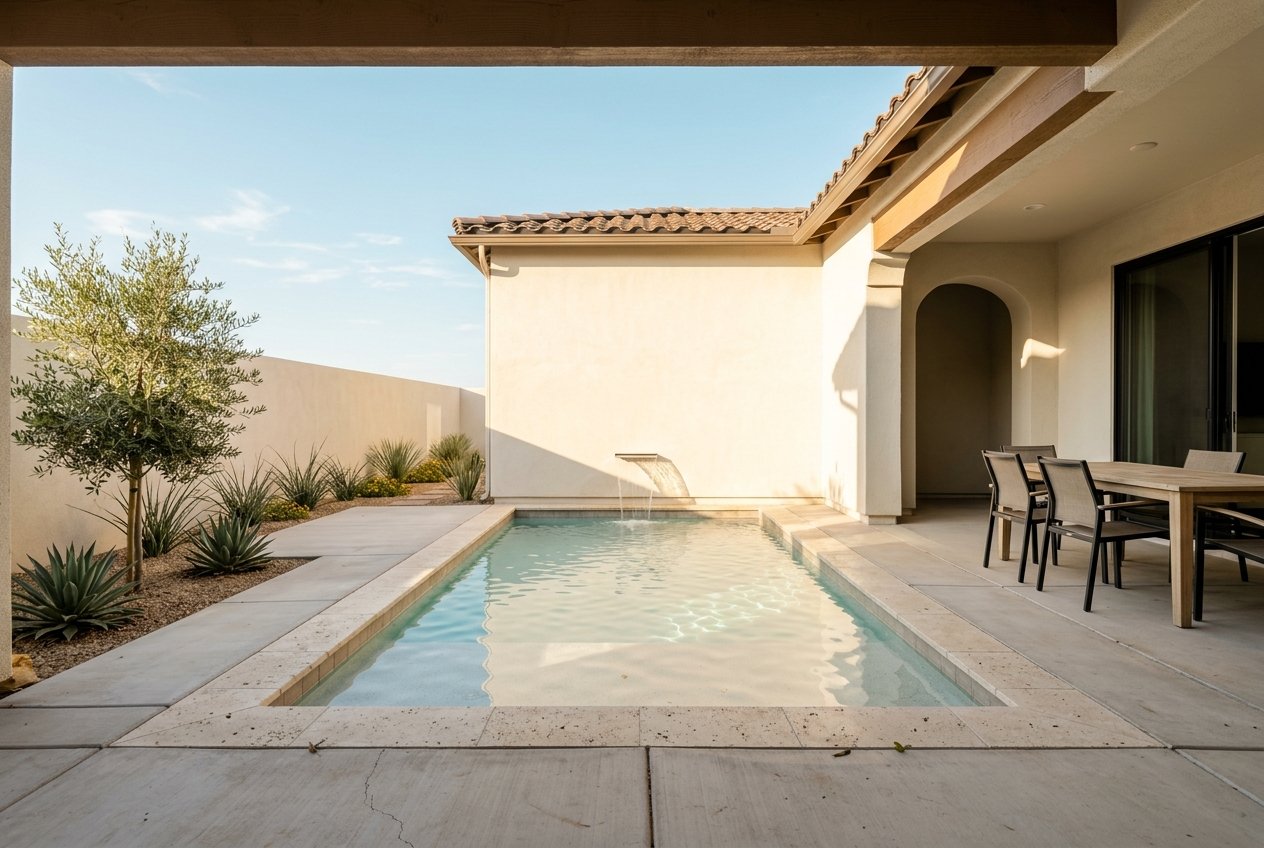
Las Vegas is a desert city, and that fact shows up in both neighborhood design and household habits. Desert landscaping is common, and many homeowners get used to thinking carefully about outdoor watering, shade, and low-water plant choices.
SNWA also notes that the region recycles nearly all indoor water at a community scale. For you, the practical takeaway is simple: water awareness is not a niche issue here. It is part of normal daily life.
Getting around Las Vegas is mostly car-first
For many households, driving is still the default way to move around the valley. Census data shows a mean commute time of 25.7 minutes in the city of Las Vegas and 25.1 minutes in Clark County. That is helpful if you are relocating from a place with much longer commutes and want a sense of the region’s daily pace.
Even so, where you live matters a lot. The Las Vegas metro is spread out, and your routine can feel very different depending on how close you are to work, shopping, the airport, or the outdoor places you use most often.
Public transit is available in key corridors
While much of life is car-based, Las Vegas does have useful transit options. RTC of Southern Nevada provides fixed-route buses, express service, on-demand service, paratransit, and bike racks on buses. Harry Reid International Airport lists RTC routes 108, 109, and the Centennial Express as public bus options.
RTC also says the Deuce runs frequently on the Strip and in downtown Las Vegas. If you live or spend time in those areas, transit may play a bigger role in your weekly routine. Outside the more transit-oriented corridors, many residents still rely heavily on a car.
Airport access is part of normal life
One practical perk of the valley is how built-in airport access is. Harry Reid International Airport offers public buses, inter-city shuttles, taxis, and ride-share options. For many relocators, that makes travel days feel more manageable than in metro areas where airport trips require a long drive or complicated connection.
If you travel often for work or to visit family, this can become a real quality-of-life factor. It is one of those details that may not seem important at first, but it can shape your routine over time.
Outdoor living is closer than many expect
A lot of people move to Las Vegas expecting city life with entertainment nearby. What surprises them is how easy it is to add outdoor recreation to a normal weekend. The valley gives you access to desert, mountain, and lake settings without needing a major road trip.
That variety is one reason daily life here can feel more balanced than outsiders assume. You are not limited to indoor entertainment or Strip activity. Weekend planning often includes fresh air, scenic drives, and day trips.
Red Rock is part of local weekend life
Red Rock Canyon National Conservation Area is about 17 miles west of the Las Vegas Strip and roughly 30 minutes away. The area offers a 13-mile scenic drive, hiking, climbing, horseback riding, mountain biking, road biking, and picnicking.
For many residents, Red Rock is not a once-a-year destination. It is part of the normal local rhythm, especially if you enjoy quick access to trails or mountain views. If you live on the west side of the valley, it can feel especially close.
Lake Mead adds a different kind of escape
Lake Mead National Recreation Area spans 1.5 million acres and offers boating, biking, hiking, fishing, camping, and scenic driving. The National Park Service says Boulder Beach is just minutes from Las Vegas, and the park is about 25 miles from Harry Reid International Airport.
That makes lake days much more realistic than many relocators expect. At the same time, summer safety matters. The NPS notes that summer daytime hiking is not recommended because temperatures can reach 120°F in the shade.
Mount Charleston brings cooler mountain air
The Spring Mountains National Recreation Area, including Mount Charleston, is about 30 miles from Las Vegas. The area rises from 3,000 feet to 11,918 feet and offers hiking, biking, scenic driving, and winter recreation.
For everyday life, this matters because it gives you a much cooler mountain option within reach of the valley. Many relocators are surprised to learn that one metro area can include desert heat below and mountain conditions above. That contrast becomes part of how people plan weekends and seasonal outings.
The valley feels more suburban than many expect
Las Vegas is not just one city with one lifestyle. It is a larger metro made up of multiple cities and communities, and that changes how everyday life feels from one area to the next. Census figures show that as of July 2024, Las Vegas had 678,922 residents, Clark County had 2,398,871, Henderson had 350,039, and North Las Vegas had 294,034.
For you, this means relocating to Las Vegas is really about choosing the type of daily routine you want within the broader valley. Some areas feel more connected to retail and entertainment hubs. Others feel more focused on parks, trails, or neighborhood-based living.
Summerlin offers a more self-contained feel
Summerlin is a 22,500-acre master-planned community on the west side of the valley, about 9 miles west of the Strip and next to Red Rock. Downtown Summerlin functions as a retail, dining, and entertainment hub, with nearby office space and sports venues.
In practical terms, that can make daily life feel a little more self-contained. Depending on where you work and what you do most often, you may find that many of your weekly errands and activities stay close to home.
Henderson supports an active parks routine
Henderson’s official parks inventory includes 69 parks and trailheads, along with more than 230 linear miles of trails. If you want regular access to parks, walking paths, and outdoor activity close to home, that is a meaningful part of the city’s day-to-day appeal.
For many households, this shapes routine more than headline attractions do. Having trails and parks woven into the week can matter just as much as commute time or shopping access.
North Las Vegas has its own recreation network
North Las Vegas also maintains its own parks and recreation system. Craig Ranch Regional Park includes a skate park, dog parks, baseball fields, courts, community gardens, ramadas, and open space.
That is a good example of how everyday life in the valley is not centered on one part of town. Different communities have their own infrastructure, amenities, and local rhythm, which is why your neighborhood choice has such a big impact on how Las Vegas feels once you live here.
What everyday life in Las Vegas really feels like
For most people, life in Las Vegas is a mix of air-conditioned indoor comfort, short-to-moderate driving, and easy access to outdoor day trips. It is less about nonstop entertainment and more about managing heat, staying water-conscious, and choosing the part of the valley that best fits your routine.
If you are relocating, it helps to think beyond the tourist image. Focus on your commute, your comfort with summer heat, how often you want parks or trails nearby, and whether you want a more self-contained suburban setup. Those details usually matter more in daily life than the city’s national reputation.
A move goes more smoothly when you understand what your routine will really look like after the boxes are unpacked. If you want practical guidance on buying or selling in the Las Vegas Valley, Flat Fee Pros - Las Vegas can help you make a confident move with clear, local support.
FAQs
What is the weather like for everyday life in Las Vegas?
- Las Vegas has an annual mean temperature of 70.1°F, very little rainfall at 4.18 inches per year, and very little snowfall, so daily life is heavily shaped by heat, sun, and dry conditions.
How long are typical commutes in Las Vegas and Clark County?
- Census data shows a mean commute time of 25.7 minutes in Las Vegas and 25.1 minutes in Clark County.
Do you need a car to live in Las Vegas?
- Many households rely on a car, but RTC offers buses, express service, on-demand options, paratransit, and airport routes, with stronger transit utility in places like the Strip and downtown.
What outdoor activities are close to Las Vegas for regular weekends?
- Residents often visit Red Rock Canyon, Lake Mead, and the Spring Mountains area near Mount Charleston for hiking, biking, scenic drives, boating, fishing, and seasonal recreation.
How does water conservation affect homeowners in Las Vegas?
- The Southern Nevada Water Authority says summer landscape watering is prohibited from 11 a.m. to 7 p.m. and on Sundays, so water-conscious habits and desert-friendly landscaping are a normal part of homeownership.
Does Las Vegas feel more urban or suburban day to day?
- For many residents, everyday life feels more suburban, with routines shaped by neighborhood location, driving patterns, local parks, shopping hubs, and access to outdoor recreation.